Connected project evidence
Explore My AI Impact
17 projects across 9 impact domains, connected through research, production AI, computer vision, intelligent systems, reliability, and optimization.
Explore Impact Domains

AI engineering portfolio
Explore technical case studies through the problem they solve, the capabilities they use, or the systems they connect.
Project discovery mode
17 projects
AND across filters · OR within capabilities
A change-impact-aware security recertification framework for evolving tool-using LLM agents that maps configuration changes to affected assurance claims, selects scoped tests, executes risk-triggered sentinels, and escalates to broader recertification when impact cannot be bounded safely.
0.7502 recall regression detection vs 0.5501 equal-budget random
Controlled Evaluation 31,396 evidence rows · four local models · five repetitions
How measuredIt makes security recertification proportional to bounded change impact while retaining a conservative path to full-suite testing whenever selective evidence is unsafe.
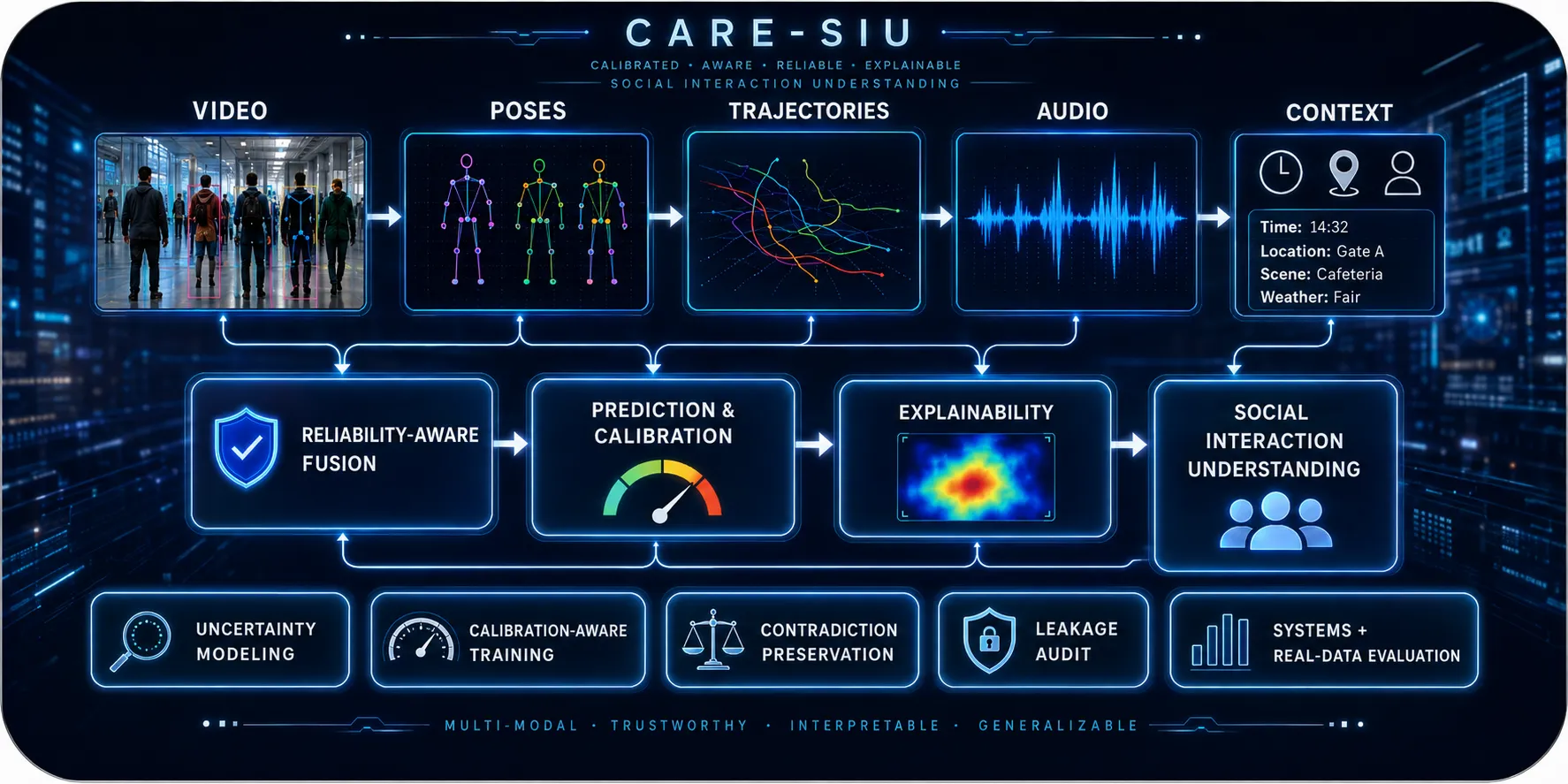
A research framework for temporal and multimodal social-interaction understanding that combines R3D-18 video encoding, reliability-aware fusion, calibration, explainability, synthetic-to-real evaluation, and leakage-resistant experimentation for safety-critical environments.
0.8134 ± 0.0121 macro-F1
Benchmark RWF-2000 real-video benchmark · five seeds
How measuredSafety-critical interaction understanding must expose evidence quality, uncertainty, calibration, missing modalities, and evaluation leakage instead of returning an unexplained label.
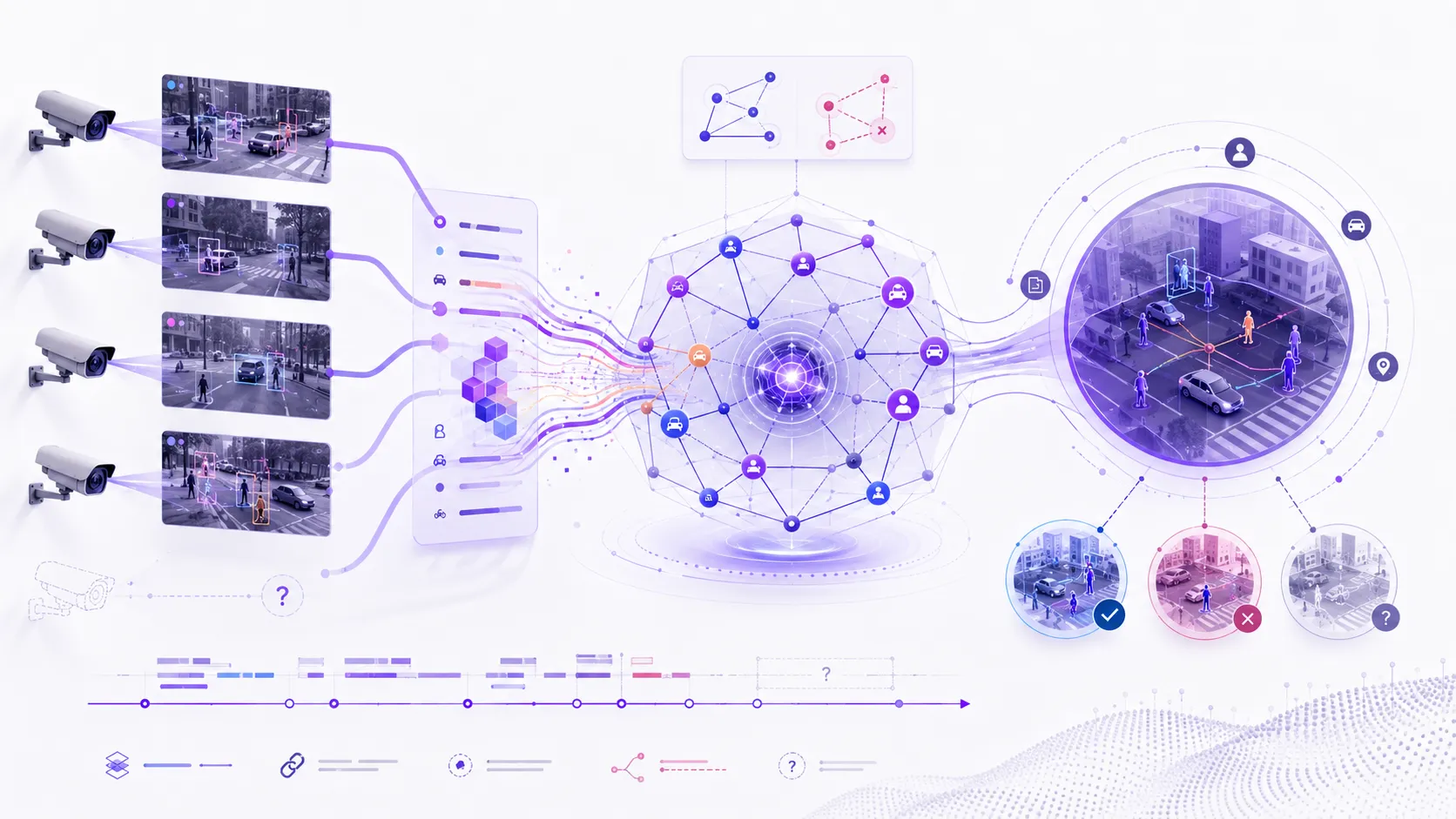
IncidentGraph is a research prototype for uncertainty-aware multi-camera incident reconstruction that preserves evidence provenance, contradictory hypotheses, alternatives, sensor gaps, confidence, and cross-camera associations in a typed graph.
0.923 ± 0.069 diagnostic graph score
Controlled Evaluation 60 synthetic multimodal incidents
How measuredEvidence fusion should preserve provenance, contradictions, alternatives, and sensor gaps so investigators can distinguish 'not observed' from 'did not occur' and audit how a reconstruction was formed.
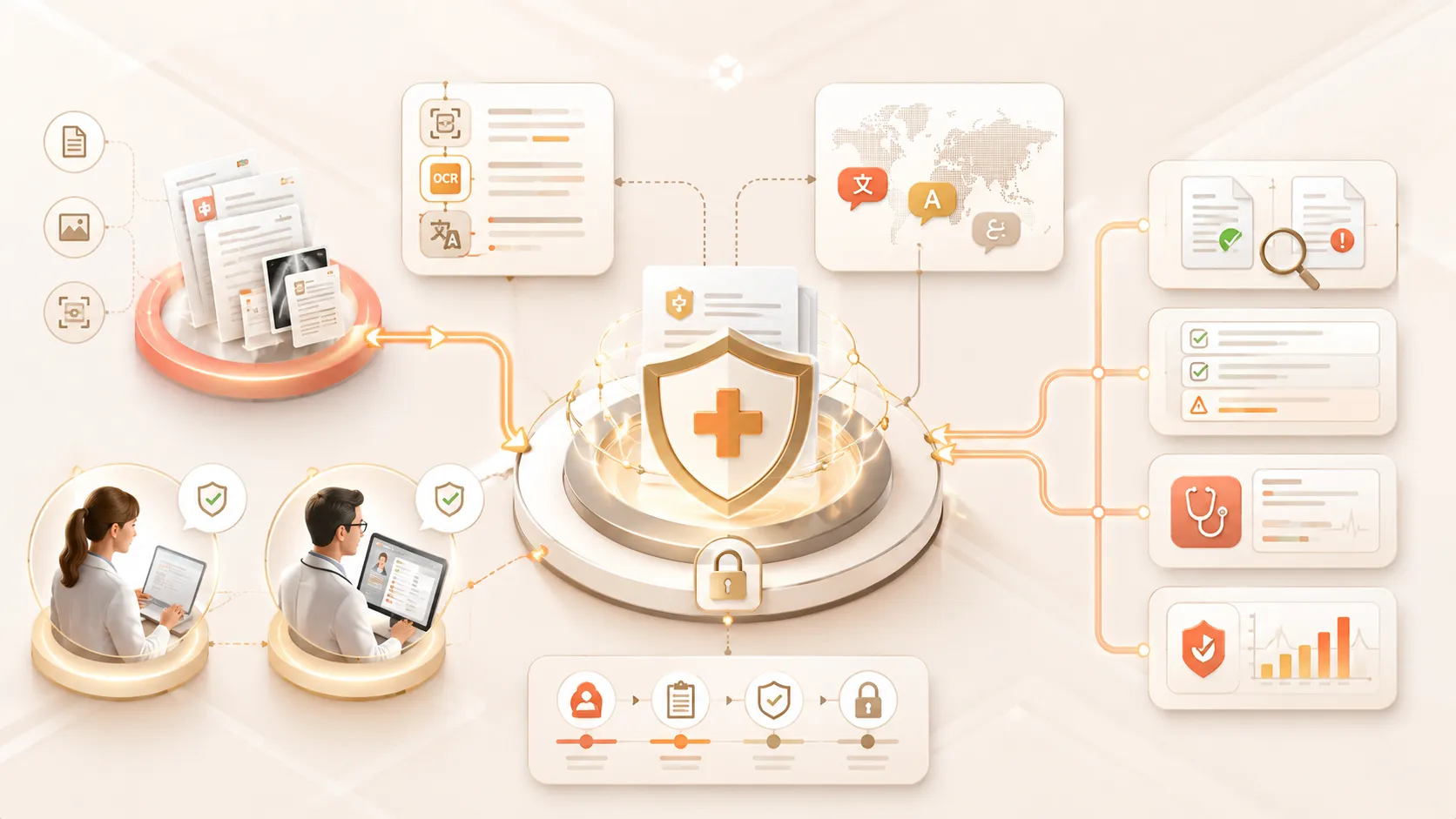
A local-first medical insurance claim review platform that reads multilingual claim documents, detects repeated claims and invoices, reconciles amounts, performs conservative diagnosis–medicine–bill–investigation matching, and supports evidence-grounded reviewer chat.
Claims reviewers must reconcile diagnoses, medicines, invoices, duplicate claims, and billed amounts across fragmented documents, making manual review slow and inconsistent.
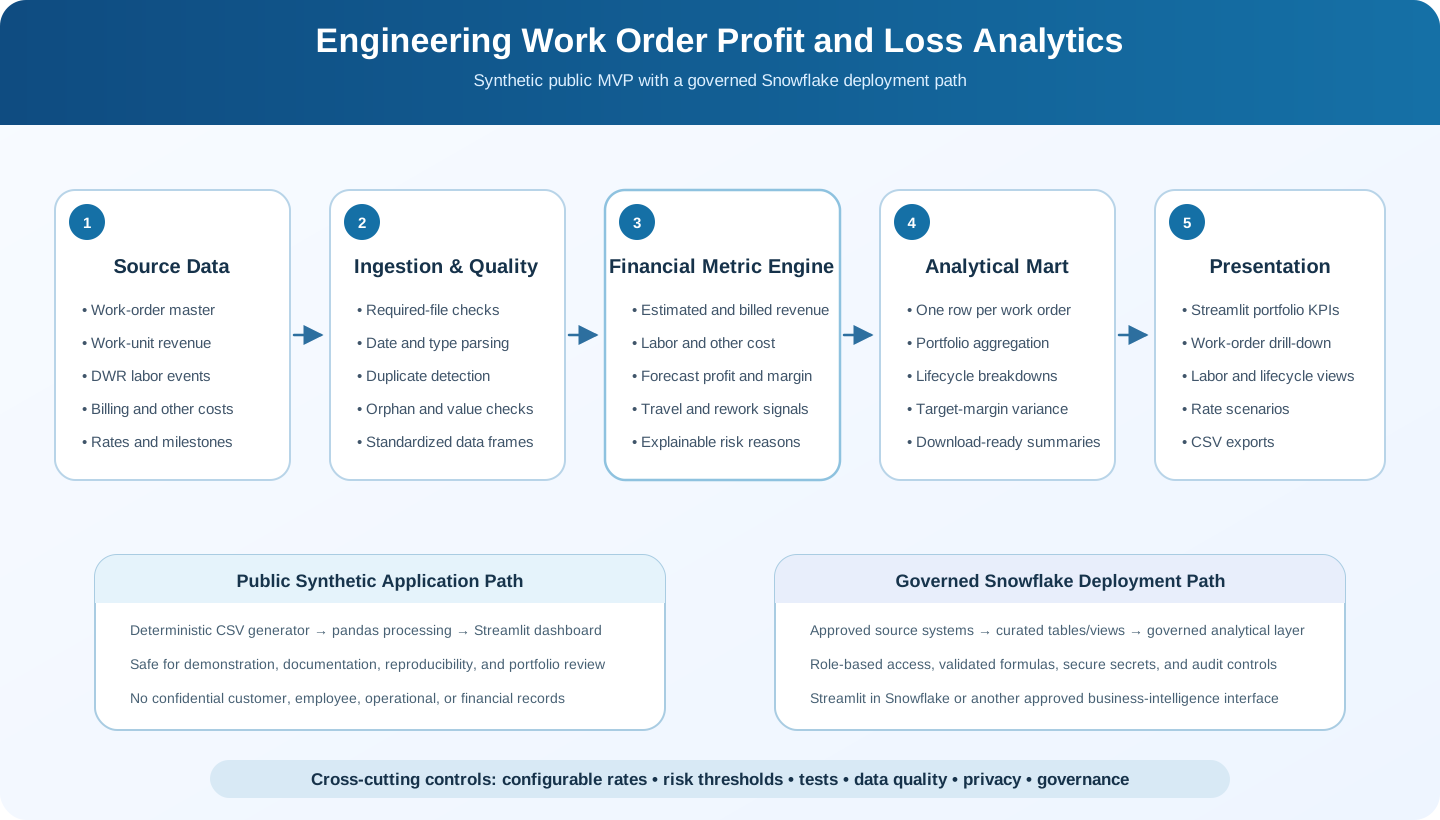
A synthetic-data-based analytics platform for estimating work-order revenue, tracking delivery-center and field-operations labor, monitoring billing and other costs, calculating profit and loss, and identifying margin risk across the engineering work-order lifecycle.
Without unified P&L per work order, margin leaks hide inside labor and billing noise until quarter-end.
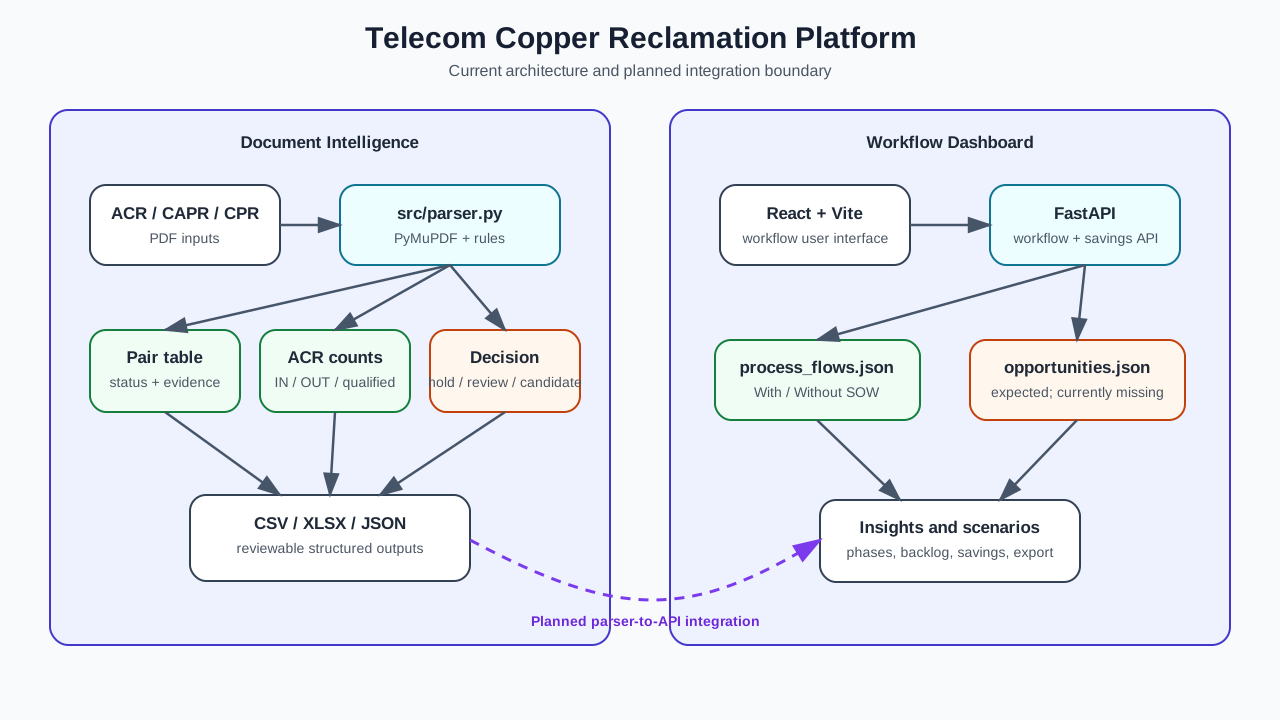
A decision-support and workflow-modernization platform for telecom copper reclamation that parses ACR, CAPR, and CPR reports, normalizes cable-pair evidence, generates conservative review recommendations, models With-SOW and Without-SOW processes, and provides a FastAPI and React/Vite foundation for governed automation.
Reclamation decisions worth millions hinge on evidence scattered across ACR, CAPR, and CPR reports that no one reads end-to-end.
LightDID-ZKP is a research framework introducing CAPS-ZK, a policy- and resource-aware selector for BBS and AnonCreds privacy-preserving verifiable presentations.
2,405-byte VP BBS presentation size at 64 attributes
Controlled Evaluation 50 measured runs per configuration
How measuredChoosing the wrong proof scheme leaks more identity data or burns more compute than the policy requires.
ASHU Mentor AI Studio is a local-first AI mentor platform that connects resume-aware interviews, JD-based evaluation, adaptive training, evidence capture, consent-based voice generation, and digital-human lecture rendering into one complete learning workflow.
Career preparation is fragmented across separate interview, resume, evaluation, coaching, voice, and digital-human training tools.
An agentic DevSecOps cockpit for Azure Function and Python API repositories that validates CI/CD readiness, runs quality and security gates, explains failures, proposes human-approved fixes, and generates downloadable audit-ready evidence packs.
It turns fragmented CI/CD failures and scanner logs into one evidence-backed, human-governed readiness decision for developers, reviewers, security teams, and auditors.
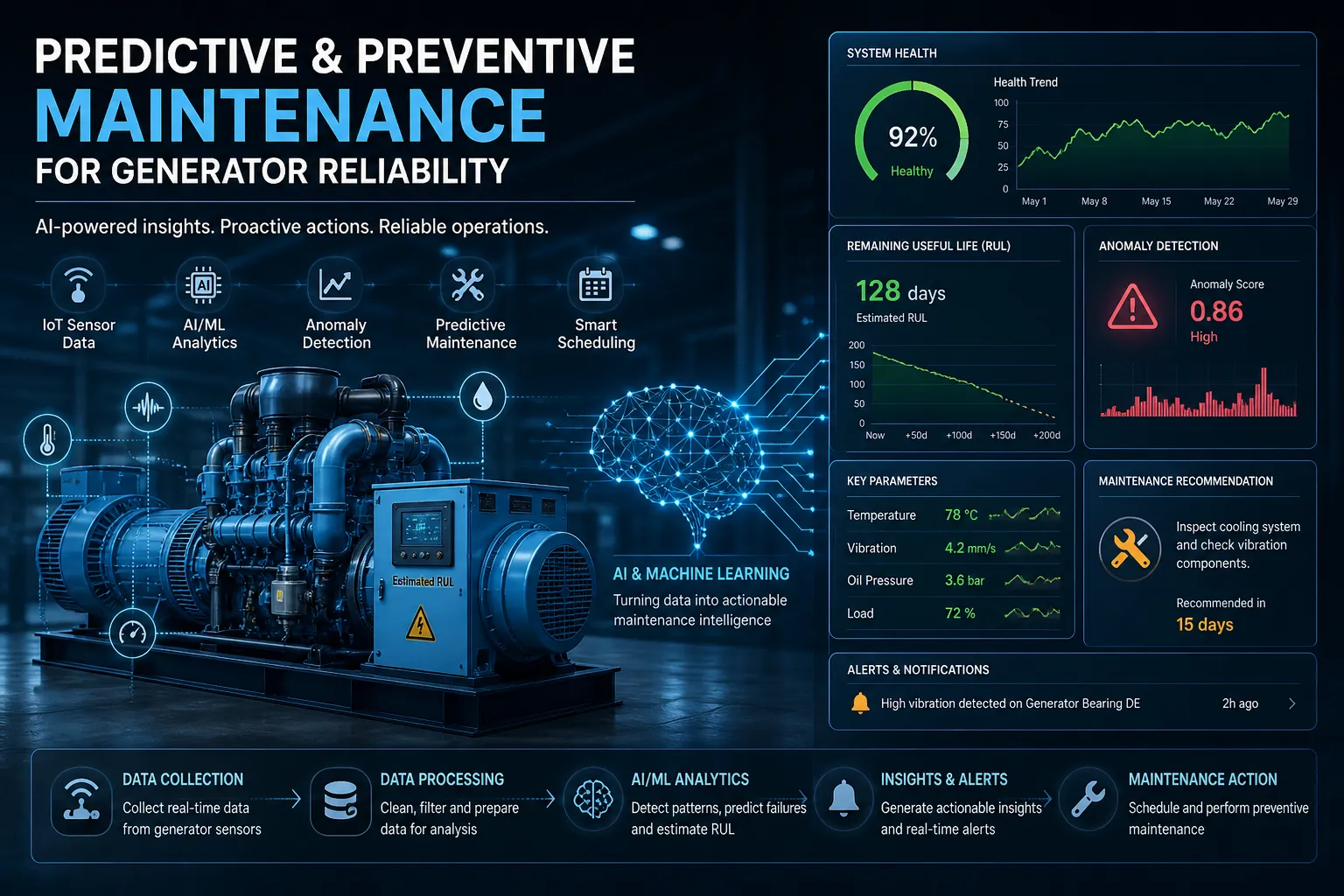
A full-stack analytics and ML dashboard that measures PM effectiveness, forecasts 14/30-day generator failure risk, and recommends prioritized maintenance actions.
It links maintenance activity to subsequent failures so teams can test whether PM schedules work, anticipate 14/30-day risk, and turn predictions into prioritized operational actions.
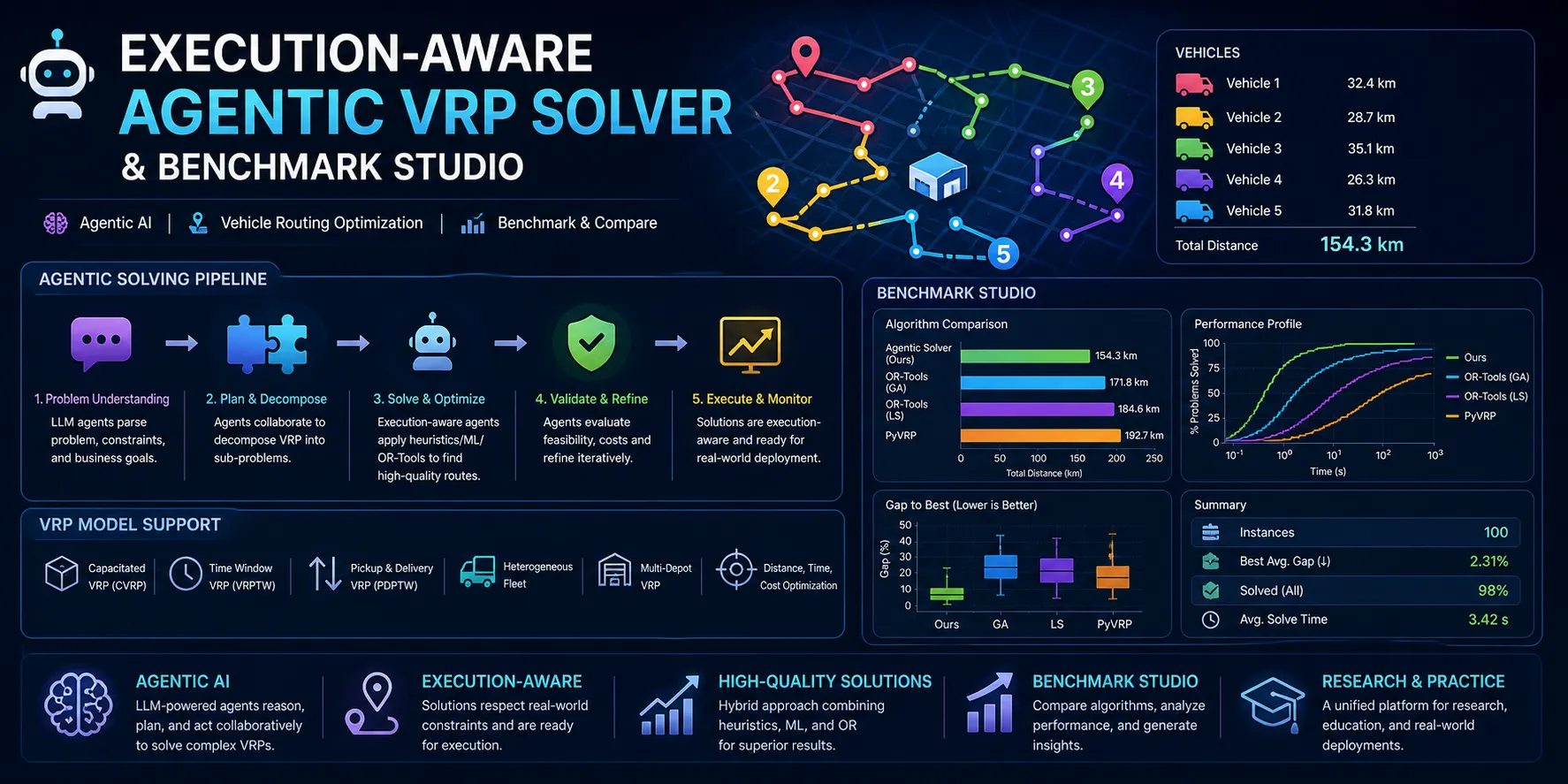
An end-to-end execution-aware Vehicle Routing Problem platform with 8 solver backends, 18 operational scenarios, and an Agentic AI layer powered by Google Gemini 2.0 Flash.
150/150 orders assigned with 0 late minutes and 0 overtime
Synthetic Evaluation 18 fixed scenarios · 8 solver backends
How measuredOperational routing requires preserving work already in progress and balancing feasibility, lateness, overtime, distance, and runtime rather than optimizing distance alone.
End-to-end key detection using YOLO, FastAPI, Docker, Hugging Face Spaces, and Azure Container Apps for production-ready inference deployment.
It covers the operational gap between a trained detector and a servable, testable, containerized, cloud-deployable inference system.
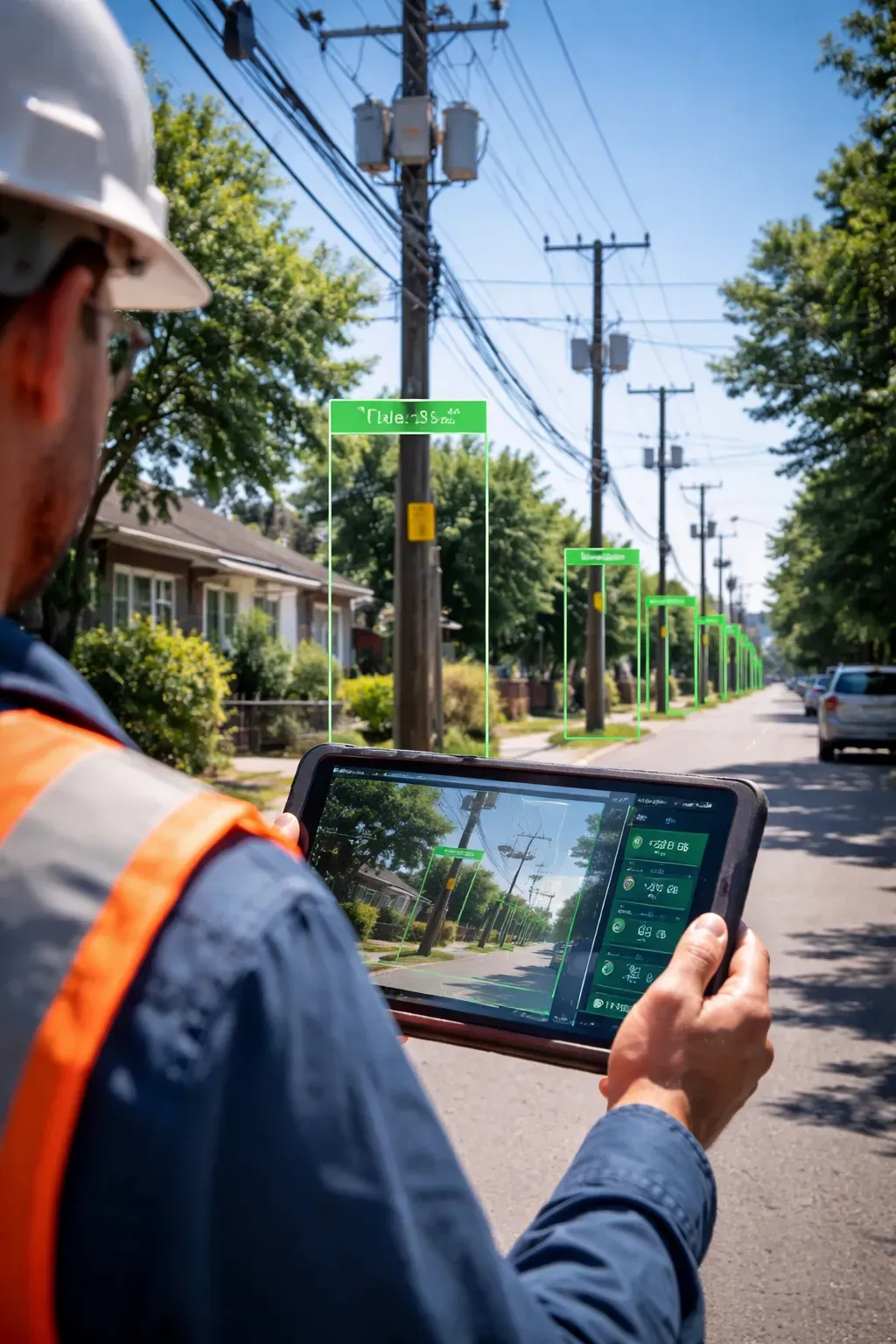
AI-powered pole validation using GIS, imagery, OCR, and multi-system data reconciliation.
0.054 mAP@0.5 current detector performance
Validation Set Published training snapshot · 100 epochs · 640px images
How measuredPole decisions affect cost, schedule, ownership, and safety, so visual detection must be reconciled with GIS and operational evidence rather than treated as a standalone model output.
A training-free inference framework that compensates INT4 quantization error with dynamic low-rank residual correction for memory-constrained LLM deployment.
It explores whether a lightweight input-conditioned correction can retain quantized-inference efficiency while recovering expressiveness without a retraining-heavy adaptation workflow.
A memory-efficient in-vehicle LLM inference pipeline combining INT4 quantization with low-rank residual compensation for constrained edge hardware.
It demonstrates the complete mechanics of combining aggressive quantization with low-rank residual compensation before investing in real-model and embedded-hardware deployment.
An agentic MCP control plane that converts natural-language intent into executable service DAGs using registry metadata, schema retrieval, orchestration, retries, and telemetry.
It shows how natural-language planning can be constrained by typed service knowledge and executed as an inspectable workflow graph instead of an opaque chain of model calls.
A multi-agent platform for orchestrating tools, memory, context, knowledge, and distributed workflows over gRPC and Protocol Buffers.
It treats multi-agent tool access, shared context, discovery, authorization, events, and delegation as governed infrastructure with inspectable contracts instead of ad hoc prompt integrations.
Explore relevant AI projects by business problem, technical challenge or application domain.
Inspection, detection, tracking and video-intelligence systems.
AI-powered pole validation using GIS, imagery, OCR, and multi-system data reconciliation.
A local-first medical insurance claim review platform that reads multilingual claim documents, detects repeated claims and invoices, reconciles amounts, performs conservative diagnosis–medicine–bill–investigation matching, and supports evidence-grounded reviewer chat.
IncidentGraph is a research prototype for uncertainty-aware multi-camera incident reconstruction that preserves evidence provenance, contradictory hypotheses, alternatives, sensor gaps, confidence, and cross-camera associations in a typed graph.
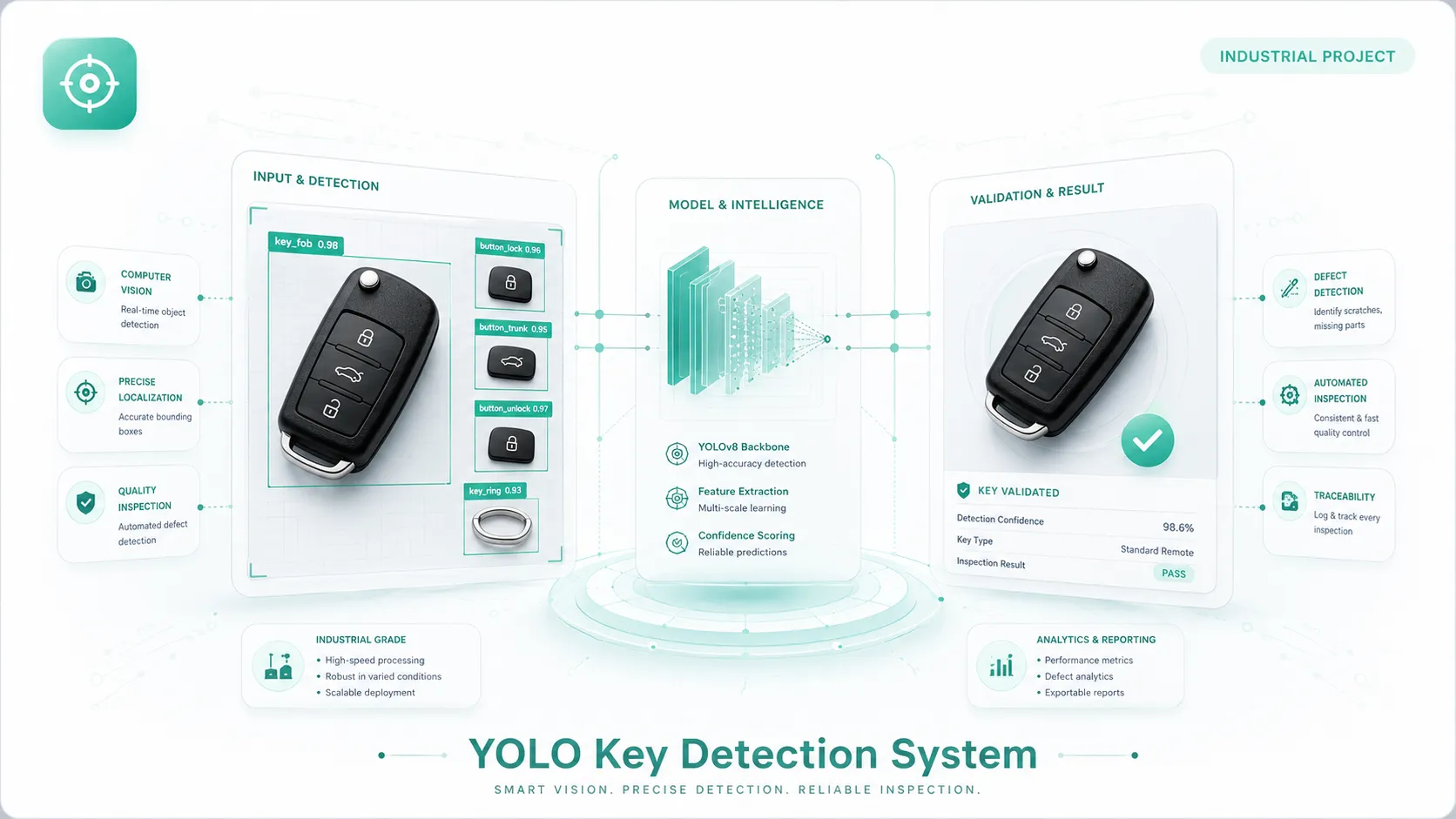
End-to-end key detection using YOLO, FastAPI, Docker, Hugging Face Spaces, and Azure Container Apps for production-ready inference deployment.
A research framework for temporal and multimodal social-interaction understanding that combines R3D-18 video encoding, reliability-aware fusion, calibration, explainability, synthetic-to-real evaluation, and leakage-resistant experimentation for safety-critical environments.
Asset health, failure-risk forecasting and maintenance planning.
A full-stack analytics and ML dashboard that measures PM effectiveness, forecasts 14/30-day generator failure risk, and recommends prioritized maintenance actions.
LLM, multimodal and agentic systems for content and decisions.
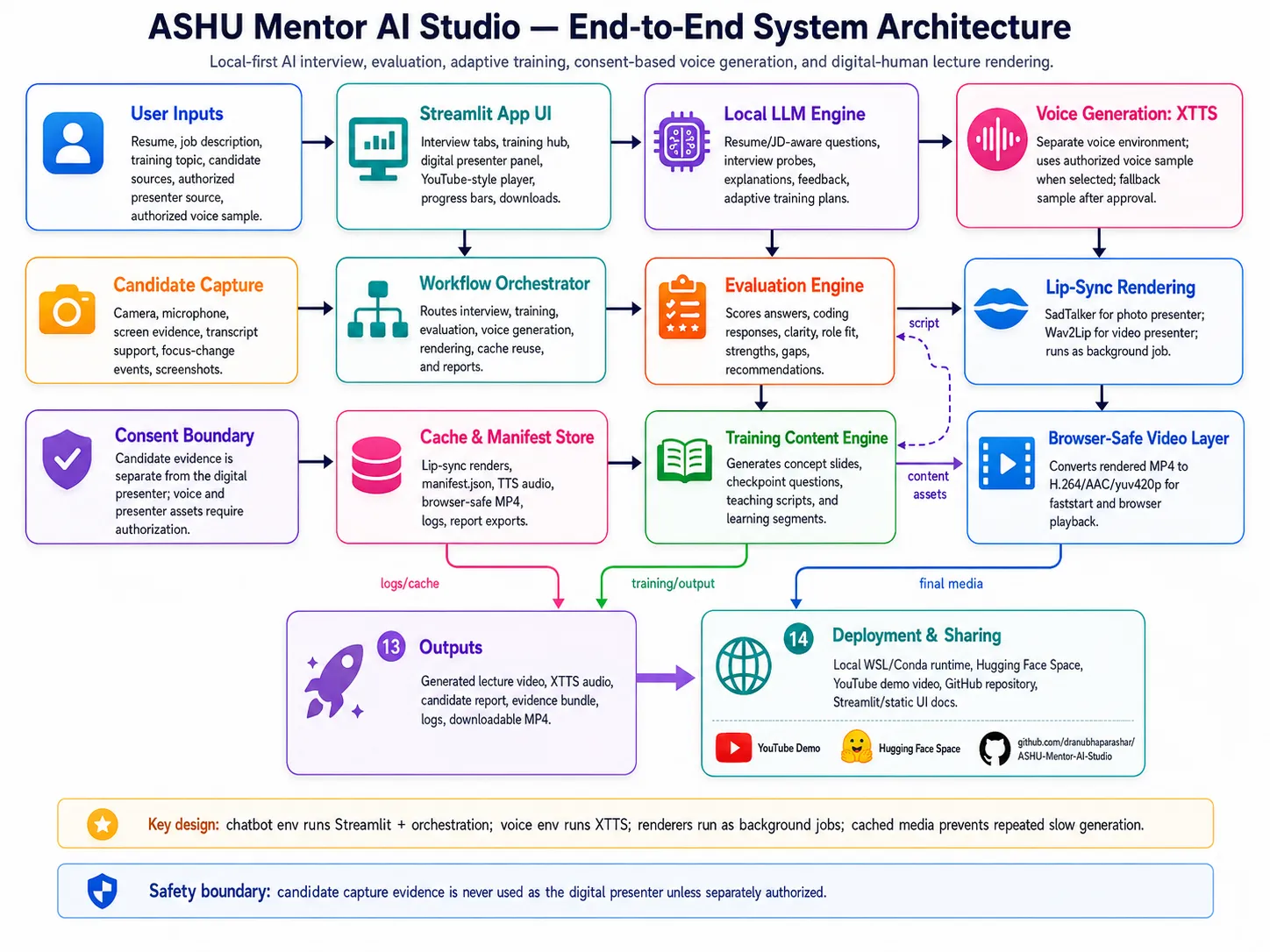
ASHU Mentor AI Studio is a local-first AI mentor platform that connects resume-aware interviews, JD-based evaluation, adaptive training, evidence capture, consent-based voice generation, and digital-human lecture rendering into one complete learning workflow.
A training-free inference framework that compensates INT4 quantization error with dynamic low-rank residual correction for memory-constrained LLM deployment.
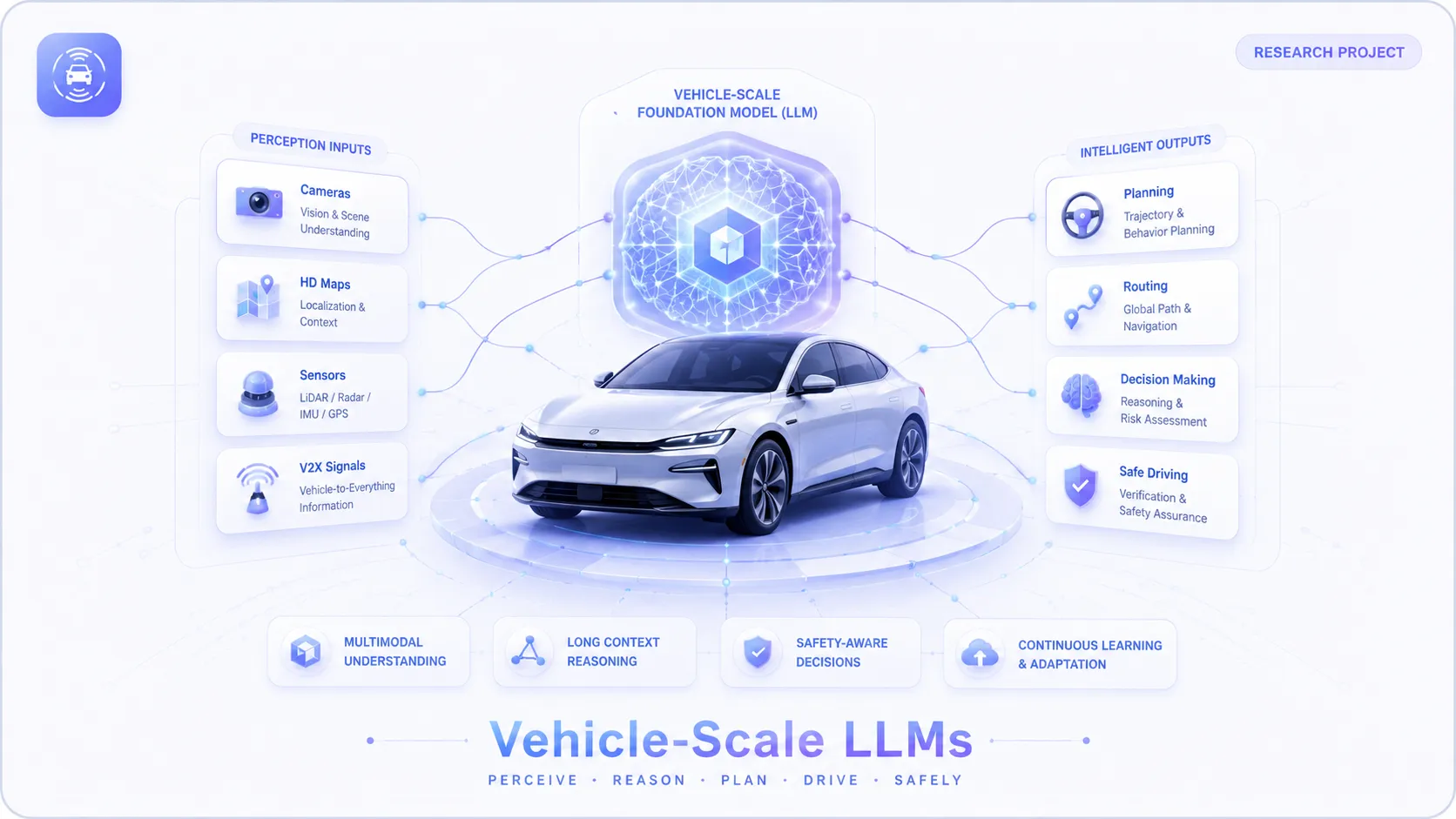
A memory-efficient in-vehicle LLM inference pipeline combining INT4 quantization with low-rank residual compensation for constrained edge hardware.
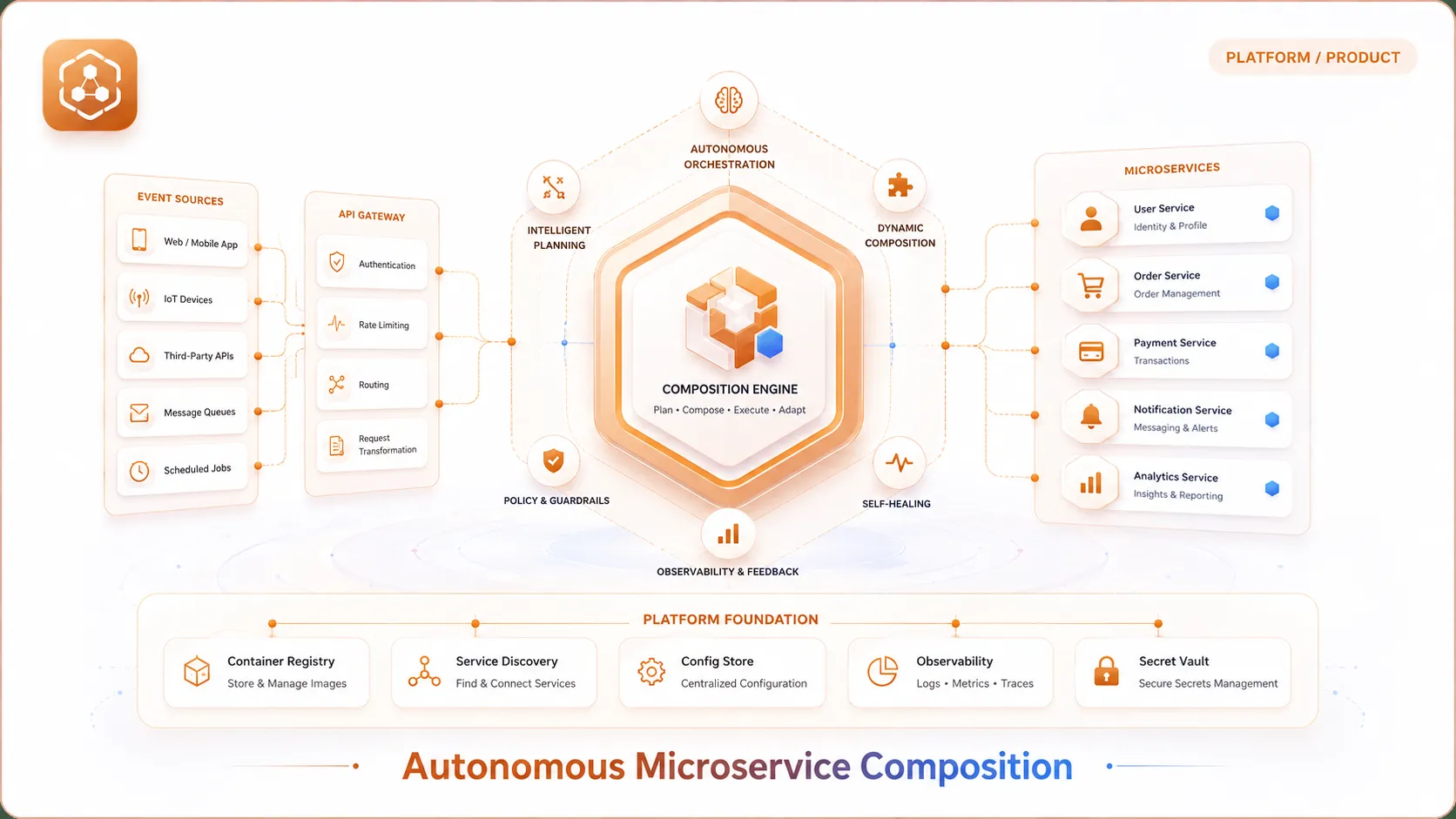
An agentic MCP control plane that converts natural-language intent into executable service DAGs using registry metadata, schema retrieval, orchestration, retries, and telemetry.
A change-impact-aware security recertification framework for evolving tool-using LLM agents that maps configuration changes to affected assurance claims, selects scoped tests, executes risk-triggered sentinels, and escalates to broader recertification when impact cannot be bounded safely.

A multi-agent platform for orchestrating tools, memory, context, knowledge, and distributed workflows over gRPC and Protocol Buffers.
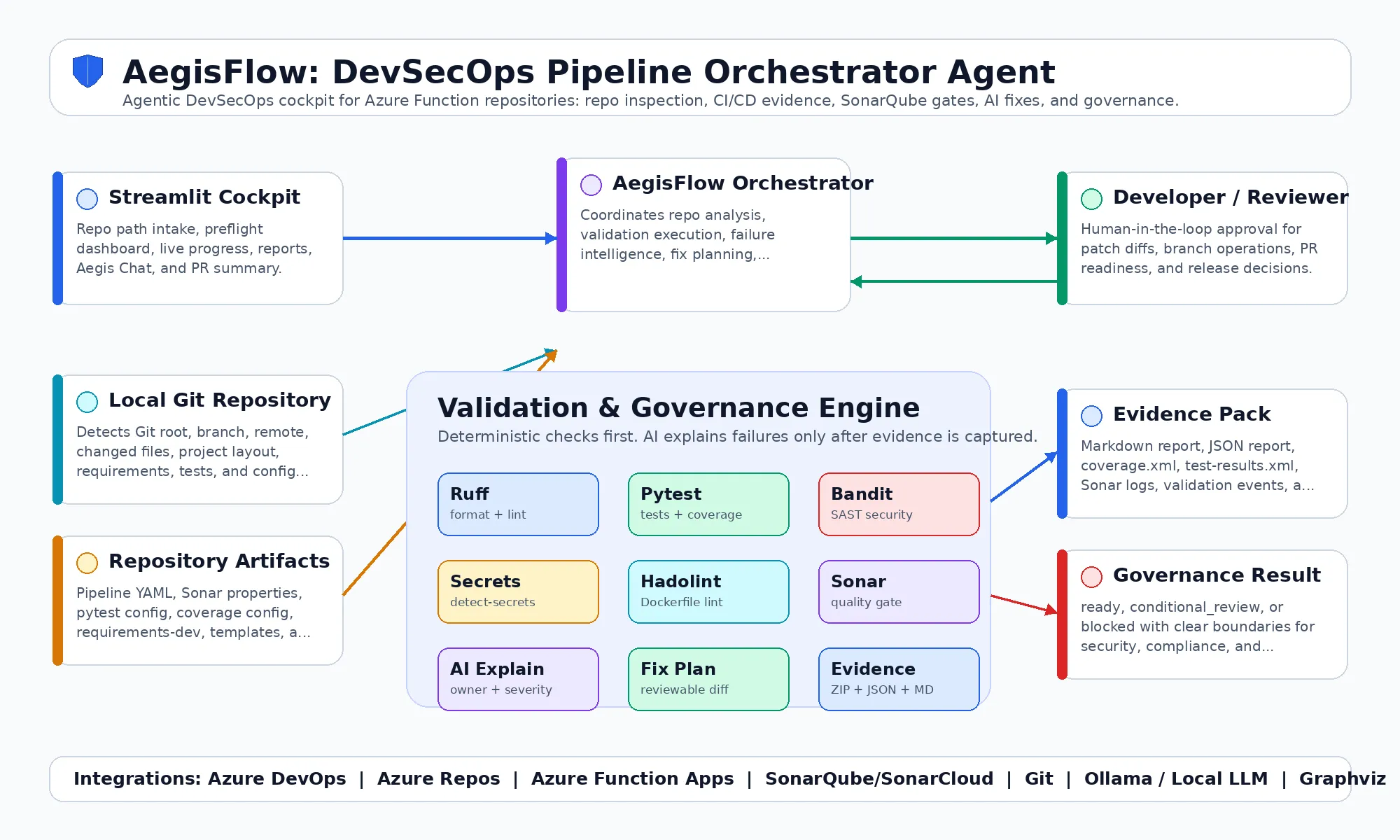
An agentic DevSecOps cockpit for Azure Function and Python API repositories that validates CI/CD readiness, runs quality and security gates, explains failures, proposes human-approved fixes, and generates downloadable audit-ready evidence packs.
A local-first medical insurance claim review platform that reads multilingual claim documents, detects repeated claims and invoices, reconciles amounts, performs conservative diagnosis–medicine–bill–investigation matching, and supports evidence-grounded reviewer chat.
An end-to-end execution-aware Vehicle Routing Problem platform with 8 solver backends, 18 operational scenarios, and an Agentic AI layer powered by Google Gemini 2.0 Flash.
Routing, field operations and resource allocation workflows.
An end-to-end execution-aware Vehicle Routing Problem platform with 8 solver backends, 18 operational scenarios, and an Agentic AI layer powered by Google Gemini 2.0 Flash.
Clinical, insurance and medical-document intelligence.
A local-first medical insurance claim review platform that reads multilingual claim documents, detects repeated claims and invoices, reconciles amounts, performs conservative diagnosis–medicine–bill–investigation matching, and supports evidence-grounded reviewer chat.
Security automation, identity, trust and privacy-preserving systems.
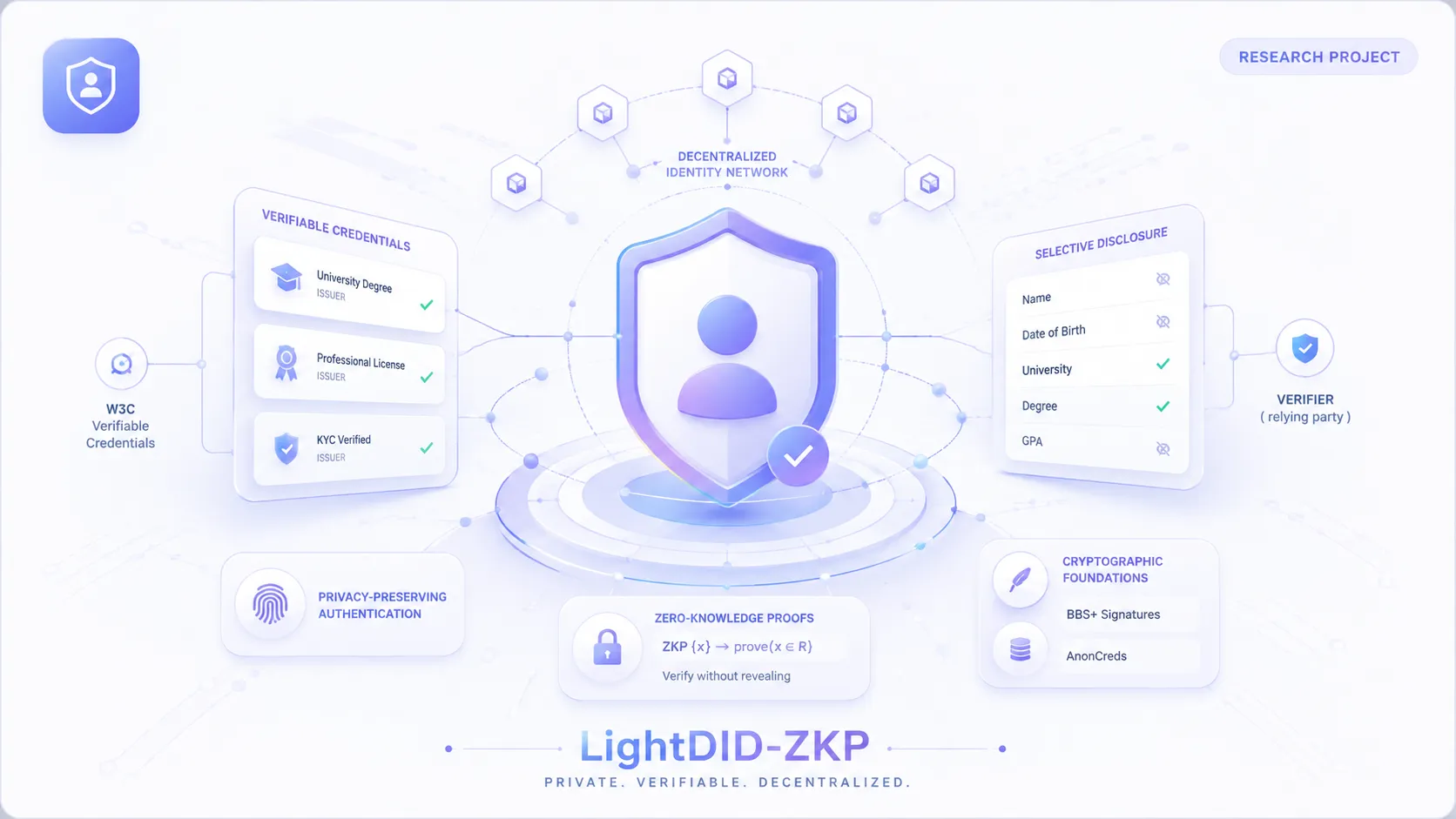
LightDID-ZKP is a research framework introducing CAPS-ZK, a policy- and resource-aware selector for BBS and AnonCreds privacy-preserving verifiable presentations.
An agentic DevSecOps cockpit for Azure Function and Python API repositories that validates CI/CD readiness, runs quality and security gates, explains failures, proposes human-approved fixes, and generates downloadable audit-ready evidence packs.
Research prototypes, benchmark workflows and reproducible studies.
A training-free inference framework that compensates INT4 quantization error with dynamic low-rank residual correction for memory-constrained LLM deployment.
A memory-efficient in-vehicle LLM inference pipeline combining INT4 quantization with low-rank residual compensation for constrained edge hardware.